Foods High in Magnesium: The Practical Guide
By:Author:Harmony Diet Editorial
Updated on:October 17, 2026
- No, One Magnesium-Rich Meal Will Not Fix Everything Overnight
- How Magnesium-Rich Foods Actually Support Your Body
- Three Things That Determine How Much Magnesium You Get
- What a Magnesium-Focused Day of Eating Looks Like
- Working Magnesium-Rich Foods Into a Normal Week
- When Magnesium Habits Usually Start to Feel Worth It
- Where Magnesium-Rich Eating Habits Quietly Fall Apart
- Building Magnesium Habits Into Harmony Diet
- Making Magnesium-Rich Food Your Default Choice
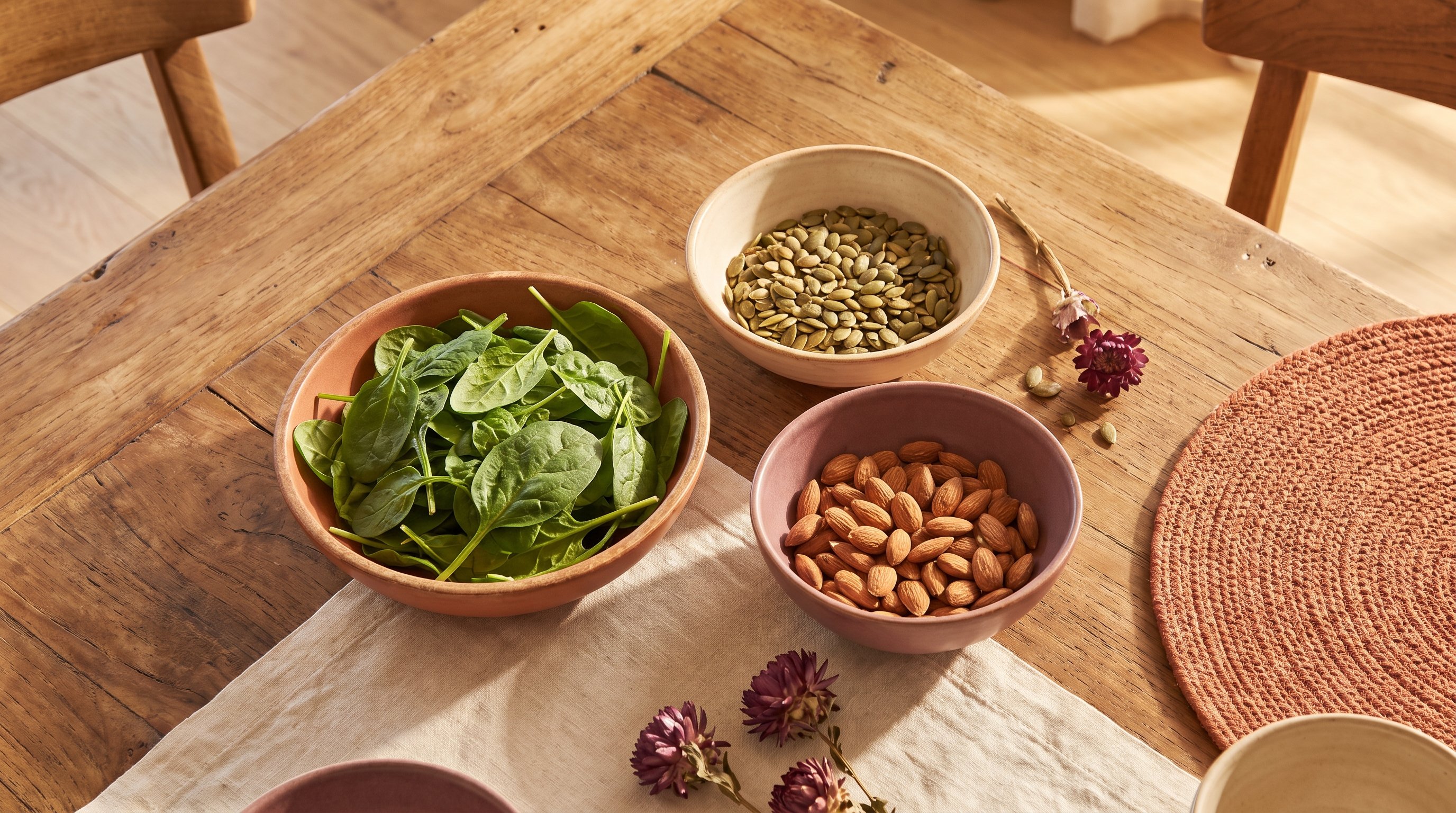
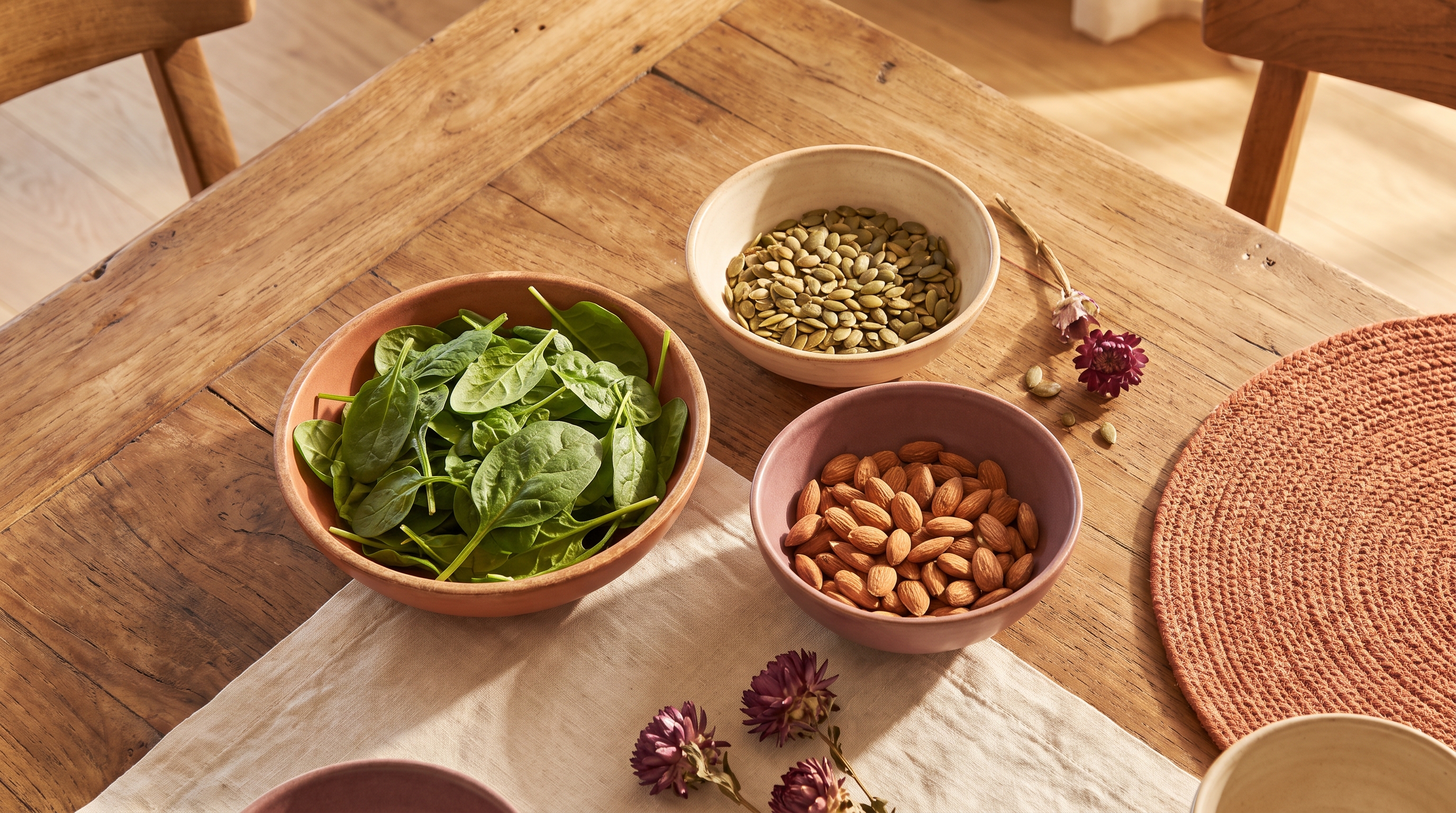
The most useful answer is simple: leafy greens, nuts, seeds, beans and whole grains carry the most magnesium, and eating a mix of them most days covers the gap for most people.
Magnesium takes part in hundreds of chemical reactions in the body, from muscle contraction to nerve signalling to how the body handles blood sugar, so it is not a mineral you want to run short on.
This guide covers what magnesium actually does, which foods deliver it, a sample day of eating, where people usually trip up, and how to keep the habit going past the first week.
No, One Magnesium-Rich Meal Will Not Fix Everything Overnight
There is a hope attached to magnesium: eat the right food once and sleep better, feel calmer, and lose weight by the weekend.
That is not how minerals work, and it is not how the body works either.
Magnesium builds up its role in the body through repeated intake over time, not a single dose, because your body uses and replaces it continuously as part of normal function.
The honest answer is that magnesium-rich foods are a steady background habit, not a quick fix, and the real benefit shows up when they become a normal part of what you eat most days.
How Magnesium-Rich Foods Actually Support Your Body
Two separate mechanisms explain why these foods matter, and both come down to how magnesium moves through daily biology.
Magnesium Supports Muscle and Nerve Signalling
Muscles and nerves rely on magnesium to fire and relax properly, which is part of why it gets linked to cramping and restlessness when intake is low.
Magnesium Plays a Role in Energy and Blood Sugar Handling
The body uses magnesium to help convert food into usable energy and to help regulate how cells respond to insulin, both of which matter for steady energy through the day.
Three Things That Determine How Much Magnesium You Get
Not everyone absorbs or needs the same amount, and a few factors shape how much actually counts for you.
What Changes the Result
- Food variety - relying on one or two magnesium sources means you miss the mineral on days you skip them, so spreading intake across greens, nuts, seeds, beans and whole grains gives you more consistent coverage.
- How the food is prepared - heavily processed or refined versions of grains and legumes generally carry less magnesium than their whole-food counterparts, so whole over refined makes a real difference.
- Portion consistency - a small handful of nuts once a month does far less than a smaller amount eaten regularly, because the body benefits from a steady pattern rather than an occasional large serving.
What a Magnesium-Focused Day of Eating Looks Like
Here is one example of how a day could be structured around foods naturally high in magnesium, without needing to track a single number.

A Sample Day
- Breakfast - oats topped with pumpkin seeds and a sliced banana.
- Lunch - a large spinach salad with chickpeas and a scattering of almonds.
- Snack - a small handful of mixed nuts or a square of dark chocolate.
- Dinner - brown rice with black beans and a side of steamed greens.
- Evening - a warm glass of fortified plant milk or a piece of fruit.
None of this requires a special shopping trip, which is the point: the mineral is already sitting in foods most people eat anyway, just maybe not often enough.
Working Magnesium-Rich Foods Into a Normal Week
The hardest part of any food habit is not knowing what to eat, it is remembering to eat it when the week gets busy.
Swapping white rice for brown, adding a spoon of seeds to whatever you are already eating, or keeping a bag of almonds at your desk removes the need to plan a separate meal around magnesium.
A meal plan built around food you already like makes this easier still, since the magnesium-rich swaps get folded into recipes rather than added as extra tasks, which is one reason meal planning services structure their plans around familiar ingredients rather than asking you to start from scratch.
When Magnesium Habits Usually Start to Feel Worth It
There is no fixed day when a food habit like this starts to matter, and anyone promising a specific week is guessing.
What tends to happen is that the habit feels like effort for the first stretch, then quietly becomes automatic once the swaps are built into your usual shopping list and go-to meals.
Staying vague about timing is not a dodge, it is just honest: consistency matters more than any particular milestone, and the food keeps doing its job in the background whether or not you are counting days.
Where Magnesium-Rich Eating Habits Quietly Fall Apart
Chasing One Superfood Instead of Variety
Eating the same magnesium source daily gets boring fast, so build a rotating list of a few greens, nuts, seeds and legumes instead of pinning hopes on one food.
Treating Supplements As a Replacement for Food
Whole foods bring magnesium alongside fibre and other nutrients that work together, so lean on food first rather than skipping the meal and reaching for a pill.

Over-Processing the Food Before Eating It
Refined grains and heavily boiled vegetables can lose some of their natural mineral content, so choose whole grains and lighter cooking methods where you can.
Expecting a Fast, Noticeable Change
Magnesium is a slow background player, not a dramatic one, so judge the habit by whether it sticks, not by how quickly you feel different.
Building Magnesium Habits Into Harmony Diet
Finding magnesium-rich meals is one thing, keeping them going every week is another, and that second part is where most food habits quietly fade.
Harmony Diet offers over 1,000 menopause-focused recipes built around customized meal plans, so magnesium-rich ingredients like leafy greens, nuts, seeds and beans show up naturally in meals rather than needing a separate shopping list.
The app also pairs those meal plans with progress tracking, so keeping steps, water and weight in one place sits alongside the food habit instead of becoming a separate thing to manage, plus over 100 light workouts and lifestyle challenges to help build routine around the food changes.
Manage Weight with Personalized Harmony Diet
Make it simple with a plan made for you
Making Magnesium-Rich Food Your Default Choice
The simplest next step is not a big overhaul, it is one swap: add a handful of nuts or seeds to tomorrow's breakfast or lunch and see how it fits.
From there, the goal is just repetition, not perfection, and structured meal planning can help keep that repetition going once the first swap feels easy.
FAQ
Leafy greens, almonds, pumpkin seeds, black beans and whole grains such as brown rice are among the foods that carry the most magnesium. Dark chocolate also contributes a smaller but useful amount.
Whole foods bring magnesium alongside fibre and other nutrients that work together, which a supplement alone cannot replicate. For most people, food-first is the simpler and more sustainable approach.
Start small with one swap, like adding seeds to a dish you already make, rather than rebuilding every meal at once. Harmony Diet's recipes are built to work this kind of ingredient into familiar meals rather than unfamiliar ones.
Most food habits fade when they depend on remembering a separate list rather than being folded into meals you already cook. Keeping the swaps simple and repeating them, rather than chasing variety for its own sake, is what makes the habit last.
Share this post