Anti Inflammatory Foods: A Sustainable Alternative to Strict Diets
By:Author:Harmony Diet Editorial
Updated on:October 17, 2026
- What a Week of Anti Inflammatory Eating Looks Like
- How Often You Need to Eat These Foods
- Why Food Swaps Beat a Strict Elimination Diet
- Making Anti Inflammatory Eating Work in a Full Week
- Adjusting Anti Inflammatory Foods to Your Situation
- When Anti Inflammatory Habits Start to Feel Automatic
- Building Anti Inflammatory Foods Into Your Routine
- Keeping Anti Inflammatory Foods on Your Plate Long Term
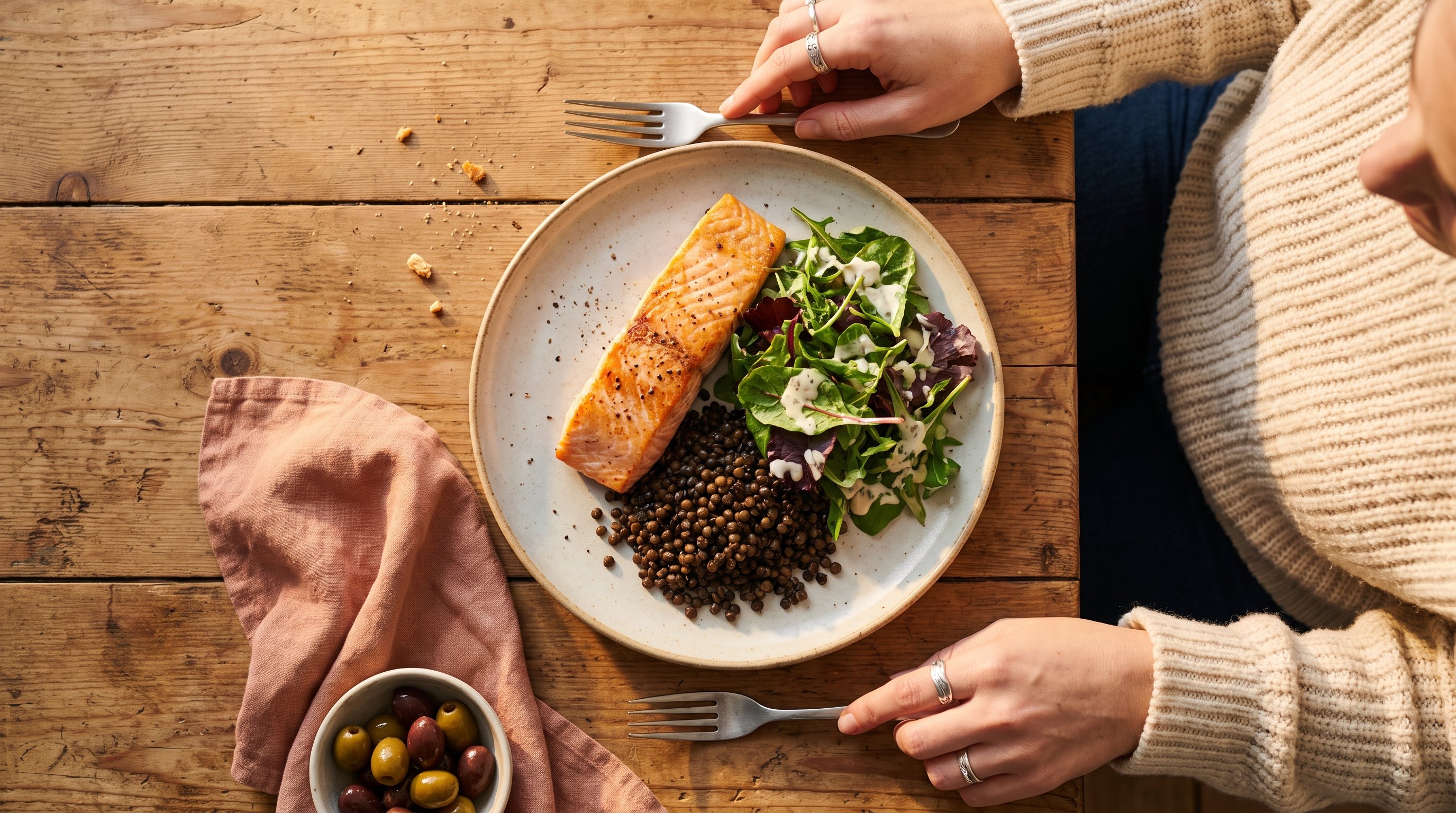
Anti inflammatory foods work best as a pattern you repeat, not a list of rules you follow once and abandon. Oily fish, leafy greens, berries, nuts, olive oil and whole grains show up again and again because they're easy to keep eating, not because any single one does something dramatic on its own.
The mechanism is simple: a diet built mostly around these foods naturally pushes out the ultra processed, high sugar options that tend to crowd a plate. That shift happens gradually, meal by meal, rather than through one strict overhaul.
This guide covers what a workable week of eating this way looks like, how often to aim for these foods, why small swaps tend to outlast strict diets, and how to keep the habit going once the first few weeks of motivation wear off.
What a Week of Anti Inflammatory Eating Looks Like
There's no single correct menu here, but a repeatable weekly shape helps more than a one-off meal plan. Here's an example built around foods that are easy to find and easy to repeat.
A Sample Week
- Monday to Friday breakfasts - oats with berries and a handful of walnuts
- Lunches - a big leafy salad with olive oil, chickpeas and a tin of sardines or salmon
- Dinners - a rotation of vegetable-heavy stir fries, bean stews and roasted vegetables with olive oil
- Snacks - fruit, nuts, or plain yoghurt with cinnamon
- Weekend - one fish dinner and one meal using whatever vegetables are left in the fridge
None of this demands special ingredients or strict timing. It's a loose frame you can bend around whatever is already in the kitchen.
How Often You Need to Eat These Foods
Consistency matters more than any single serving size, and the question most people actually have is how often is enough.
A Rough Weekly Target
Aiming for a spread across the week, rather than perfection every day, keeps the habit realistic.
| Food Group | How Often |
|---|---|
| Oily fish | 2 times per week |
| Leafy greens | Most days |
| Berries or fruit | Daily |
| Nuts or seeds | Most days |
| Olive oil as main fat | Daily |
Missing a day or two doesn't undo anything. The pattern is what counts over weeks and months, not any single meal.
Why Food Swaps Beat a Strict Elimination Diet
A strict elimination diet, where entire food groups get cut out overnight, often works for a week or two and then collapses the first time life gets busy.
Swapping in anti inflammatory foods while keeping familiar meals mostly intact asks far less of you day to day.
Trading white bread for wholegrain, or butter for olive oil, doesn't require new shopping habits or a total rethink of dinner.

That lower demand on willpower is exactly why swaps tend to last past month one, while rigid elimination plans tend to get abandoned the first time a dinner out or a busy evening gets in the way.
Making Anti Inflammatory Eating Work in a Full Week
A busy week doesn't leave much room for elaborate cooking, so the swaps need to survive contact with takeaway nights and rushed mornings.
Keeping frozen berries, tinned fish, nuts and a bottle of olive oil on hand means the anti inflammatory option is often the fastest one, not the hardest.
A meal plan built around food you already like makes this easier to hold onto, which is the idea behind a customized approach to menopause nutrition - it maps these food groups onto meals you'd choose anyway, rather than asking for a separate shopping list.
That kind of structure matters more during a demanding week than any specific ingredient does.
Adjusting Anti Inflammatory Foods to Your Situation
If You're Just Starting Out
Pick one meal a day to rebuild around vegetables, olive oil and whole grains, and leave the rest of the day alone until that one meal feels automatic.
If You're Short on Time
Lean on frozen vegetables, tinned fish and pre-washed greens, since the nutritional value doesn't disappear just because the prep is quick.

If You're Going Through Menopause
Pairing these food groups with enough protein and fibre at each meal supports the broader goal of steady energy and weight management during this stage.
If You're Cooking for a Household
Build the base of the meal (vegetables, grains, olive oil) the same for everyone, then add meat, fish or extra portions separately so nobody needs a second meal cooked.
When Anti Inflammatory Habits Start to Feel Automatic
The first couple of weeks usually feel like effort, because you're thinking about every meal instead of just making it.
Somewhere past that early stretch, reaching for olive oil over butter or fish over fried food stops being a decision and starts being the default.
It's fair to expect that shift to take time rather than happen overnight, and there's no fixed week where it clicks for everyone.
What tends to derail it is treating one off-track meal as a failure, when it's really just one meal out of dozens that week.
Building Anti Inflammatory Foods Into Your Routine
Keeping track of what's actually landing on the plate each week is where most good intentions quietly slip.
Harmony Diet pulls this into one place: a customized meal plan built around your age and goals, over 1,000 menopause diet recipes to pick from, and progress tracking that covers water, weight and steps so the pattern stays visible, not just remembered.
Add in the nutrition guides written by nutrition experts, personal trainers and psychologists, and the food side of things stops being a separate project from the rest of your routine.
Manage Weight with Personalized Harmony Diet
Make it simple with a plan made for you
Keeping Anti Inflammatory Foods on Your Plate Long Term
None of this needs to be perfect to count. A week where most meals lean on vegetables, olive oil, fish and whole grains is doing the job, even with a few off days mixed in.
Pick one swap from this guide, whether that's olive oil over butter or fish twice a week, and let that be the whole plan for now. Harmony Diet can take over the detail from there, with recipes and tracking already built around this way of eating.
FAQ
They help indirectly, by replacing high sugar and highly processed options that are easy to overeat with foods that tend to be more filling. The weight effect comes from the overall pattern of eating, not from any single food working on its own.
No, the approach here is additive rather than restrictive, since it focuses on adding more vegetables, fish, nuts and whole grains rather than banning entire food groups. That's also why it tends to be easier to keep up long term.
Frozen vegetables, frozen berries and tinned fish carry the same food groups and can be cheaper and longer lasting than fresh versions. Harmony Diet's recipes work with pantry and frozen staples as well as fresh ones, so the approach doesn't depend on a big weekly shop.
Trying to change every meal at once is the most common reason it falls apart within a few weeks. Starting with one meal a day and expanding slowly tends to hold up far better than an all-or-nothing switch.
Share this post